
What is Hypertension?
Hypertension, also called high blood pressure, is a common health problem. It happens when the force of blood against your artery walls stays too high for a long time. Over time, this can damage your heart and other organs. According to the World Health Organization (WHO), hypertension affects millions of people worldwide. Because it often has no clear signs, many people do not know they have it. Early detection is important for good health.
Common Symptoms of Hypertension
Most people with hypertension do not notice symptoms at first. However, some may feel certain signs when blood pressure gets very high. For example, you might notice:
Still, many people have no symptoms at all. Therefore, regular blood pressure checks are important. If you notice any of these high blood pressure symptoms, talk to your doctor.
Causes and Risk Factors
There are many causes and risk factors for hypertension. Some you can control, while others you cannot. For instance, common causes and risks include:
Because some risks are linked to lifestyle, making healthy choices can help lower your chances.
How Hypertension is Diagnosed
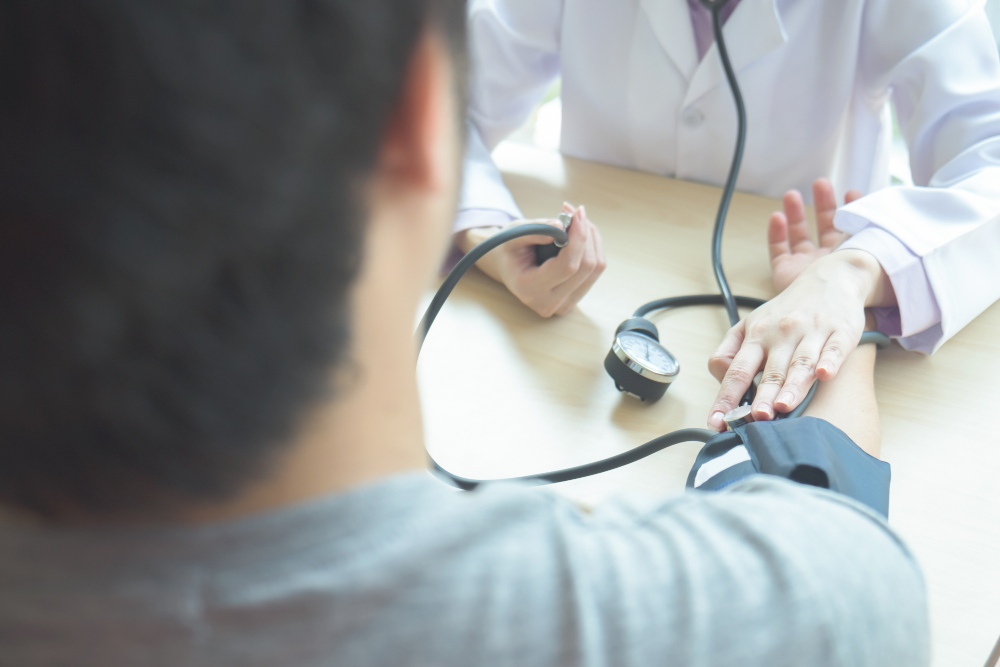
Doctors diagnose hypertension by measuring your blood pressure. Usually, they use a cuff on your arm. If your readings are high on several visits, you may have hypertension. Sometimes, your doctor may ask you to check your blood pressure at home. In addition, they may order blood tests, urine tests, or an electrocardiogram (ECG) to check your heart and other organs. Early diagnosis helps prevent serious health problems.
Treatment Options for Hypertension
There are many hypertension treatment options. Your doctor will choose what is best for you. Common treatments include:
Sometimes, you may need more than one medicine. Because treatment is different for each person, follow your doctor’s plan closely. Regular check-ups are also important.
Lifestyle Tips for Managing Hypertension
In addition to medicine, lifestyle changes can help control high blood pressure. For example, you can:
With these steps, many people see real improvements in their blood pressure.
Prevention Strategies
Preventing hypertension is possible for many people. Here are some simple ways to lower your risk:
Because prevention is easier than treatment, start these habits early.
When to See a Cardiologist
Sometimes, you may need special care for hypertension. For example, see a cardiologist if:
Cardiology advice for hypertension can help you find the best treatment. Early care can prevent serious health issues.
In summary, hypertension is a common but serious health problem. With early diagnosis, proper treatment, and healthy habits, you can manage it well. Consult a cardiologist for personalized guidance on managing hypertension.