Dyslipidemia is a common health problem that affects many people worldwide. It means there are unhealthy levels of fats, like cholesterol or triglycerides, in your blood. Because dyslipidemia can raise your risk of heart disease and stroke, it is important to understand its causes, symptoms, diagnosis, and treatment options. Early cholesterol management can help protect your heart health.
What is Dyslipidemia?
Dyslipidemia happens when your blood has too much or too little of certain fats. These fats include cholesterol and triglycerides. Usually, doctors talk about four main types of blood fats:
When these fats are not balanced, your risk for heart problems increases. For example, high LDL or low HDL can lead to blocked arteries.
Causes of Dyslipidemia
There are many reasons why someone might develop dyslipidemia. Some causes are within your control, while others are not. For instance, your genes can play a big role. However, lifestyle choices matter too. Common causes include:
Sometimes, dyslipidemia is inherited. This means it runs in families and can start at a young age.
Common Symptoms
Often, dyslipidemia does not cause any symptoms. Many people do not know they have it until they get a blood test. However, in rare cases, very high cholesterol can cause signs like:
Because symptoms are rare, regular check-ups are important for early detection.
How Dyslipidemia is Diagnosed
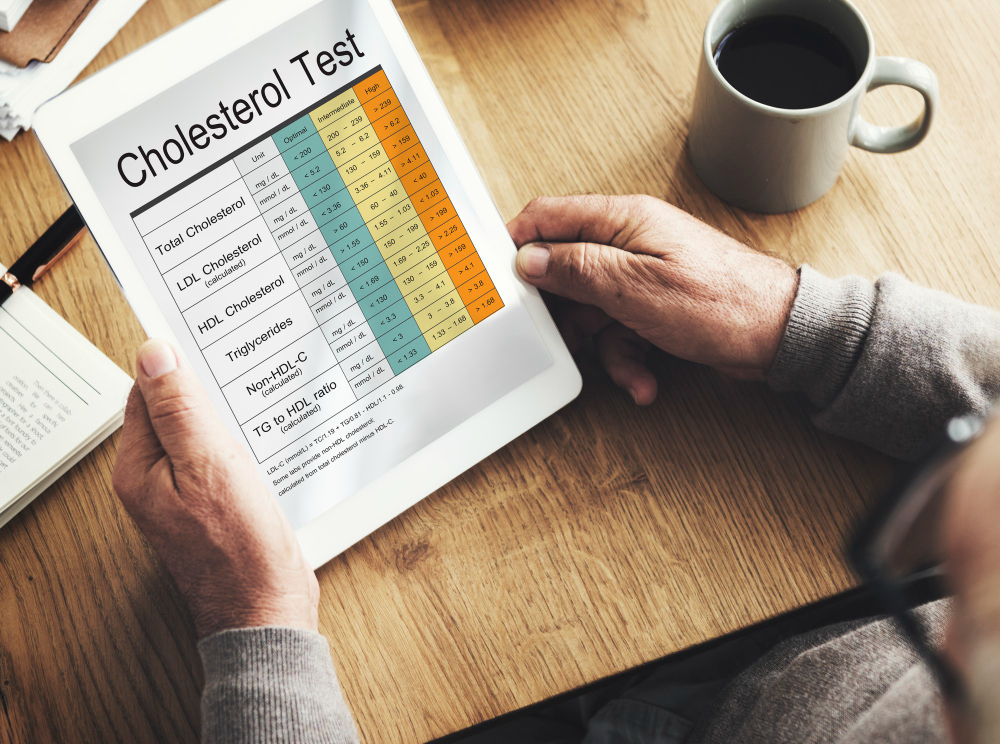
Doctors diagnose dyslipidemia with a simple blood test called a lipid panel. This test measures your cholesterol and triglyceride levels. Usually, you need to fast for 9 to 12 hours before the test. The results show:
If your numbers are outside the healthy range, your doctor may suggest more tests or start treatment. Early diagnosis helps lower the risk of heart attack or stroke.
Treatment Options
Treating dyslipidemia often starts with lifestyle changes. However, some people may also need medicine. Treatment options include:
Your doctor will choose the best treatment plan for you. Sometimes, a mix of lifestyle changes and medicine works best.
Lifestyle Changes and Prevention Tips
Making healthy choices can prevent or manage dyslipidemia. For example, you can:
Even small changes can make a big difference over time. Early action helps protect your heart and blood vessels.
When to See a Doctor
If you have a family history of high cholesterol or heart disease, you should talk to your doctor. Also, see a doctor if you:
Regular check-ups help catch problems early. Your doctor can guide you on the best steps for cholesterol management and heart health.
Call to Action: If you are concerned about your cholesterol or heart health, consult your healthcare provider. They can give you personalized advice and help you choose the right treatment options for dyslipidemia.